
UX/UI Design
ECOROUTE
ECOROUTE
ECOROUTE
Sustainable transportation app
Sustainable transportation app
Sustainable transportation app
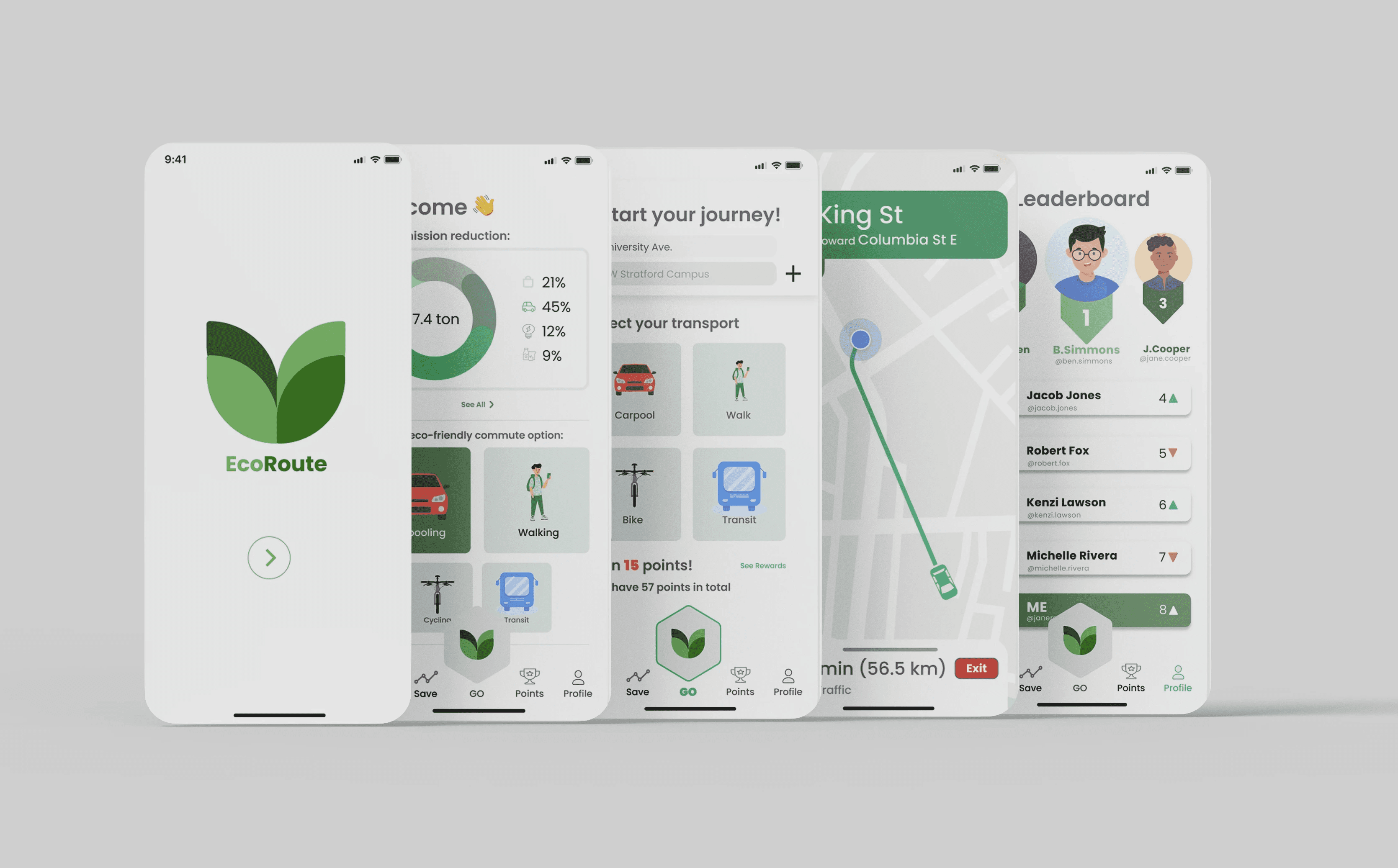
EcoRoute is a navigation app that incentivizes sustainable transportation options through community and rewarding features. It aims to inform users about their carbon footprint and how they can reduce their metrics to help where they can and contribute to the ongoing environmental concerns.
EcoRoute is a navigation app that incentivizes sustainable transportation options through community and rewarding features. It aims to inform users about their carbon footprint and how they can reduce their metrics to help where they can and contribute to the ongoing environmental concerns.
problem
PROBLEM
Commuters currently lack the knowledge, motivation and habit to make ecologically conscious choices leading to ineffective and unsustainable daily decision-making.
solution
SOLUTION
EcoRoute transforms sustainable commuting into a rewarding and socially connected habit by making eco-friendly choice visible, measurable, and worth repeating.
problem
problem
Commuters currently lack the knowledge, motivation and habit to make ecologically conscious choices leading to ineffective and unsustainable daily decision-making.
solution
solution
EcoRoute transforms sustainable commuting into a rewarding and socially connected habit by making eco-friendly choice visible, measurable, and worth repeating.
TEAM
Namu Kim Leslie Lee Grace Park Kelly Kuang Ryan Lowe Eric Chea
Namu Kim Leslie Lee Grace Park Kelly Kuang Ryan Lowe Eric Chea
ROLE
UX/UI Designer Research User Testing
UX/UI Designer Research User Testing
TOOLS
Figma Illustrator
Figma Illustrator
DATE
Oct-Dec 2023

The Ideation
THE PROMPT
"How might we design a mobile application for daily commuters that promotes sustainable transportation options while providing navigation services?"
THE PROMPT
The Ideation
"How might we design a mobile application for daily commuters that promotes sustainable transportation options while providing navigation services?"
The Idea
THE prompt
"How might we design a mobile application for daily commuters that promotes sustainable transportation options while providing navigation services?"
The Insights
TEAM
TOOLS
Namu Kim Leslie Lee Grace Park Kelly Kuang Ryan Lowe Eric Chea
Figma Illustrator
ROLE
DATE
UX/UI Designer Research User Testing
Oct-Dec 2023
TEAM
Namu Kim Leslie Lee Grace Park Kelly Kuang Ryan Lowe Eric Chea
TOOLS
Figma Illustrator
ROLE
UX/UI Designer Research User Testing
DATE
Oct-Dec 2023
8 (팔)
We looked into the current gaps in the existing solutions as to why people have a hard time making eco-friendly choices in their commute. We framed the problems into three layers.
Surface: People default to cars even when alternatives exist
Deeper: Eco-friendly choices feel abstract (no immediate personal reward)
Core: No social layer makes choosing sustainably feel solitary, invisible, and insignificant.
THE prompt
"How might we design a mobile application for daily commuters that promotes sustainable transportation options while providing navigation services?"
8 (팔)
8(팔)
8 (팔)
We looked into the current gaps in the existing solutions as to why people have a hard time making eco-friendly choices in their commute. We framed the problems into three layers.
Surface: People default to cars even when alternatives exist
Deeper: Eco-friendly choices feel abstract (no immediate personal reward)
Core: No social layer makes choosing sustainably feel solitary, invisible, and insignificant.
8 (팔)
We looked into the current gaps in the existing solutions as to why people have a hard time making eco-friendly choices in their commute. We framed the problems into three layers.
Surface: People default to cars even when alternatives exist
Deeper: Eco-friendly choices feel abstract (no immediate personal reward)
Core: No social layer makes choosing sustainably feel solitary, invisible, and insignificant.
The opportunity
The opportunity
All three groups share one thing: The need for the decision to feel worth it in real time.
DesignTO
We looked into the current gaps in the existing solutions as to why people have a hard time making eco-friendly choices in their commute. We framed the problems into three layers.
Surface: People default to cars even when alternatives exist
Deeper: Eco-friendly choices feel abstract (no immediate personal reward)
Core: No social layer makes choosing sustainably feel solitary, invisible, and insignificant.
The PAin Points
THE FRICTION
The opportunity
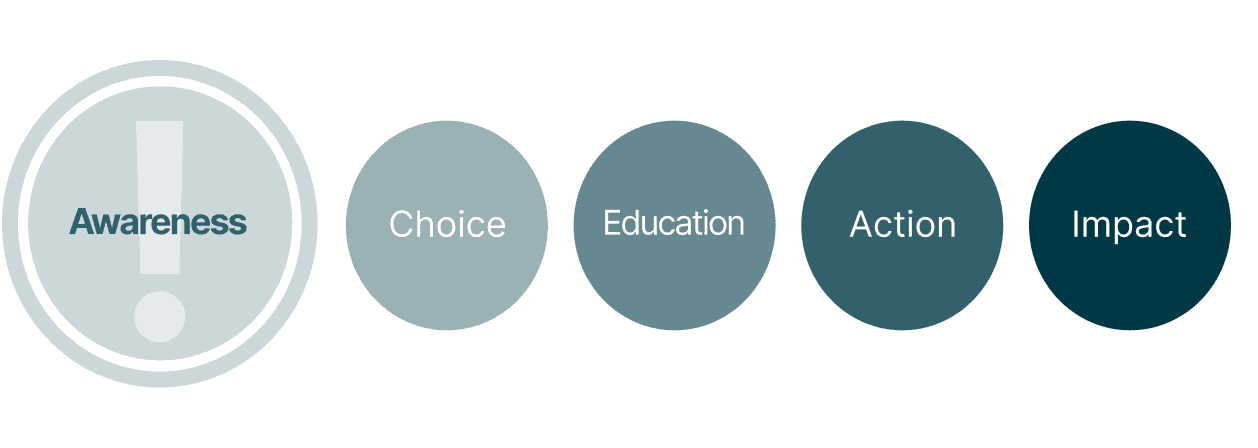
All three groups share one thing: The need for the decision to feel worth it in real time.


The Question
The gap
"How might we design a mobile application for daily commuters that promotes sustainable transportation options while providing navigation services?"
We looked into the current gaps in the existing solutions as to why people have a hard time making eco-friendly choices in their commute. We framed the problems into three layers.
Surface: People default to cars even when alternatives exist
Deeper: Eco-friendly choices feel abstract (no immediate personal reward)
Core: No social layer makes choosing sustainably feel solitary, invisible, and insignificant.
The Question
"How might we design a mobile application for daily commuters that promotes sustainable transportation options while providing navigation services?"
The gap
We looked into the current gaps in the existing solutions as to why people have a hard time making eco-friendly choices in their commute. We framed the problems into three layers.
Surface: People default to cars even when alternatives exist
Deeper: Eco-friendly choices feel abstract (no immediate personal reward)
Core: No social layer makes choosing sustainably feel solitary, invisible, and insignificant.
"How might we design a mobile application for daily commuters that promotes sustainable transportation options while providing navigation services?"
We looked into the current gaps in the existing solutions as to why people have a hard time making eco-friendly choices in their commute. We framed the problems into three layers.
Surface: People default to cars even when alternatives exist
Deeper: Eco-friendly choices feel abstract (no immediate personal reward)
Core: No social layer makes choosing sustainably feel solitary, invisible, and insignificant.
The Question
The gap
The Users
The Users
Key insights
We looked into the current gaps in the existing solutions as to why people have a hard time making eco-friendly choices in their commute. We framed the problems into three layers.
Surface: People default to cars even when alternatives exist
Deeper: Eco-friendly choices feel abstract (no immediate personal reward)
Core: No social layer makes choosing sustainably feel solitary, invisible, and insignificant.
Key Insights
We looked into the current gaps in the existing solutions as to why people have a hard time making eco-friendly choices in their commute. We framed the problems into three layers.
Surface: People default to cars even when alternatives exist
Deeper: Eco-friendly choices feel abstract (no immediate personal reward)
Core: No social layer makes choosing sustainably feel solitary, invisible, and insignificant.
We looked into the current gaps in the existing solutions as to why people have a hard time making eco-friendly choices in their commute. We framed the problems into three layers.
Surface: People default to cars even when alternatives exist
Deeper: Eco-friendly choices feel abstract (no immediate personal reward)
Core: No social layer makes choosing sustainably feel solitary, invisible, and insignificant.
Design Decisions
All three groups share one thing: The need for the decision to feel worth it in real time.
We looked into the current gaps in the existing solutions as to why people have a hard time making eco-friendly choices in their commute. We framed the problems into three layers.
Surface: People default to cars even when alternatives exist
Deeper: Eco-friendly choices feel abstract (no immediate personal reward)
Core: No social layer makes choosing sustainably feel solitary, invisible, and insignificant.
Design Decisions
All three groups share one thing: The need for the decision to feel worth it in real time.
We looked into the current gaps in the existing solutions as to why people have a hard time making eco-friendly choices in their commute. We framed the problems into three layers.
Surface: People default to cars even when alternatives exist
Deeper: Eco-friendly choices feel abstract (no immediate personal reward)
Core: No social layer makes choosing sustainably feel solitary, invisible, and insignificant.
Menu
Close